Eternal Tales

Eternal Tales® is Ireland’s mythology brought back to the ground it came from.

The stories reach back tens of thousands of years, from the people who raised the great monuments to the hunters who came long before them. The oral traditions are gone. What survives passes through medieval Christian monks, then borrowers, translators, revivalists. Eternal Tales lives in the gap between what was lived and what was written down.

Peer-reviewed archaeology, and the landscapes that hold it. Medieval texts read with the Christian overlay named and accounted for. Creative reconstruction held tight to evidence.

Nothing borrowed from later retellings. Every weapon, garment, ceremony, landscape grounded in evidence; every line earned through years of research. The novels are written. The scores are composed and recorded. The sound design is built shot by shot. The long way, and the only way the material deserves.

Not fantasy inspired by Irish mythology. Not a recovered original. A restoration, placed back where it was lost from, with the seams shown.

Drawn from peer-reviewed archaeology spanning thirty thousand years of human presence on the island, and from medieval manuscript texts read against the evidential record. Every claim tagged by status: established archaeological fact, inherited tradition, or original creative reconstruction.

The places of this island are older than everything ever said about them, and they have not finished speaking.

Think You Know Ireland goes to the ground itself. From his fireside, Weletos the Firekeeper tells what happened at the passage tombs, cairns, caves and loughs of Ireland: not the versions written down thousands of years later, but the memory the rock and stone still hold. Filmed on location across the island, with the sounds and images of the deep past woven through.

Every place is real. Every story is anchored to ground you can stand on. Because standing where it happened is how an island remembers who it was.

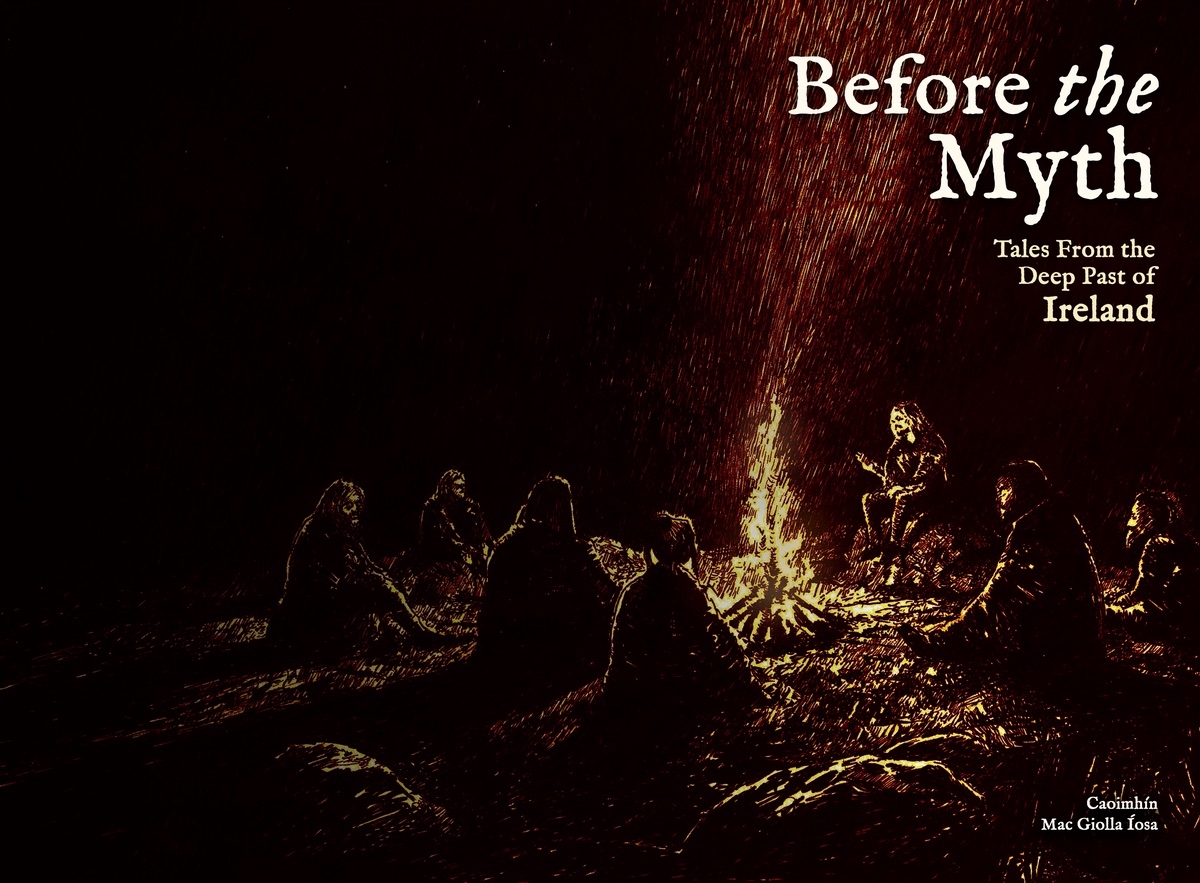
Before the Myth

Seven Stories from the Deep Past of Ireland

Original Artwork by James Hutton

On the eve of a new settlement, on cleared ground that still resists the blade, the seer Weletos gathers what remains of his people around a fire and begins to speak. A mammoth calf slipping into a southern cave the night the sky burned in veils. A hunter turning back from a march south because something quieter than wind had spoken in his chest. An elder beside a loch in the west, listening to the last unbroken night before a dawn that would change everything. And four more stories yet to come, each closer to the listeners’ own bones than the last.

Drawn from the real archaeology of this island, stripped of later overwriting, rendered in the mythic register the land has always carried. Before the Myth is the foundational volume of Eternal Tales and the companion key to An Oath on Stone. The chain of mouths through which Ireland remembers itself, and the breath before the myths the rest of the world thinks it knows.

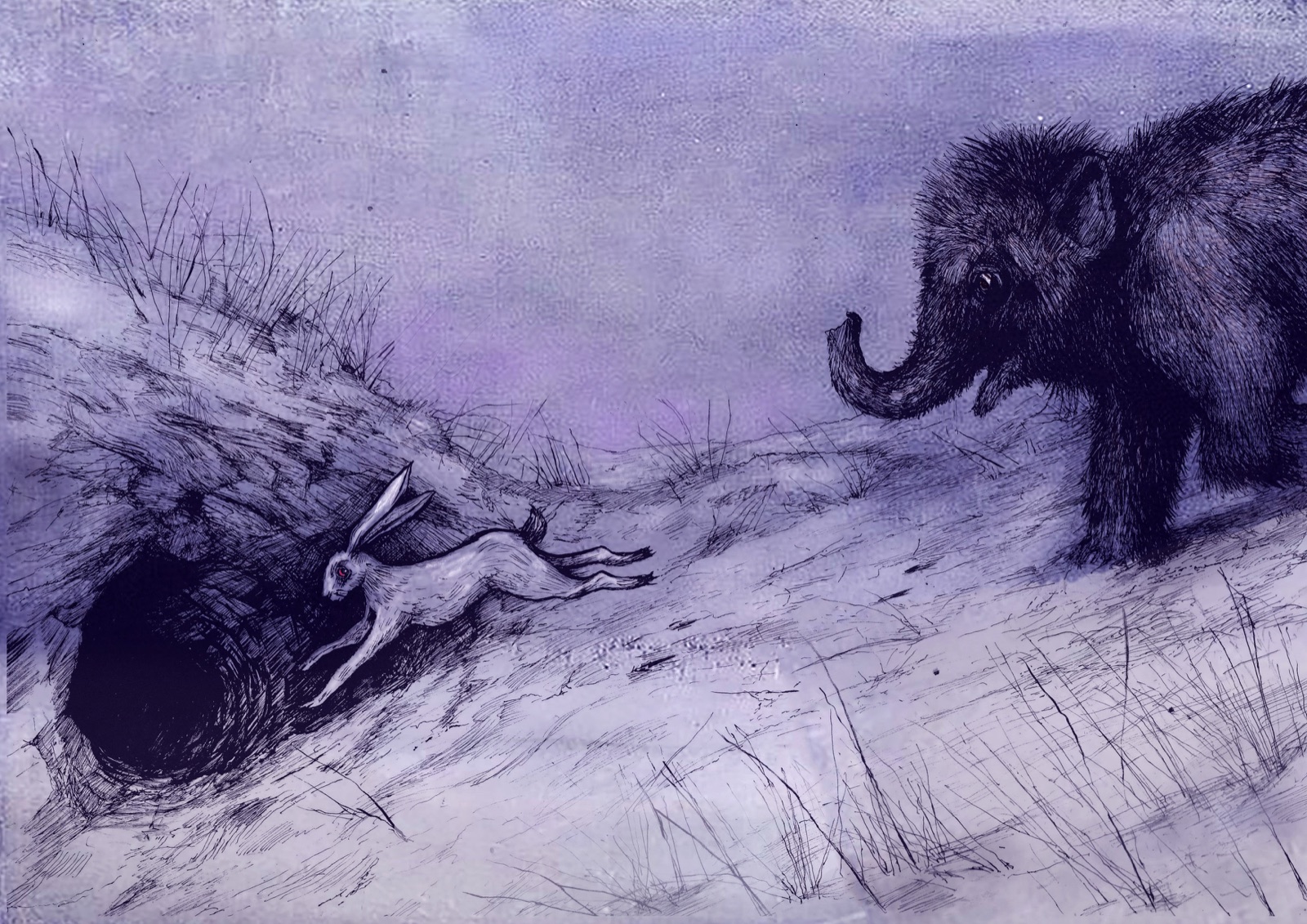
A cave mouth on a frozen landscape; an unnamed hunting band follows a mammoth calf.
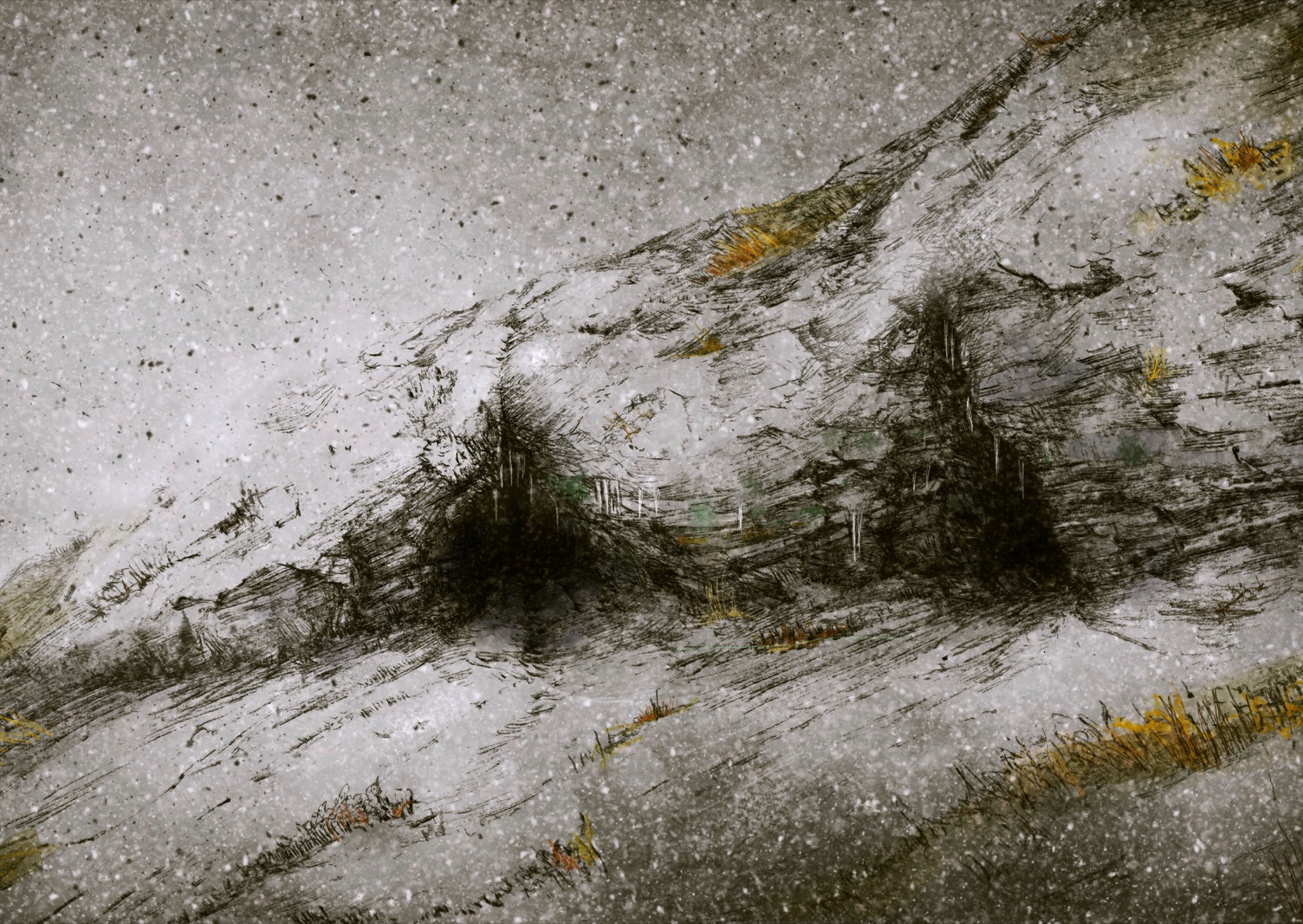
Snow at the edge of a cave in Co. Clare; the world before the sky burned.
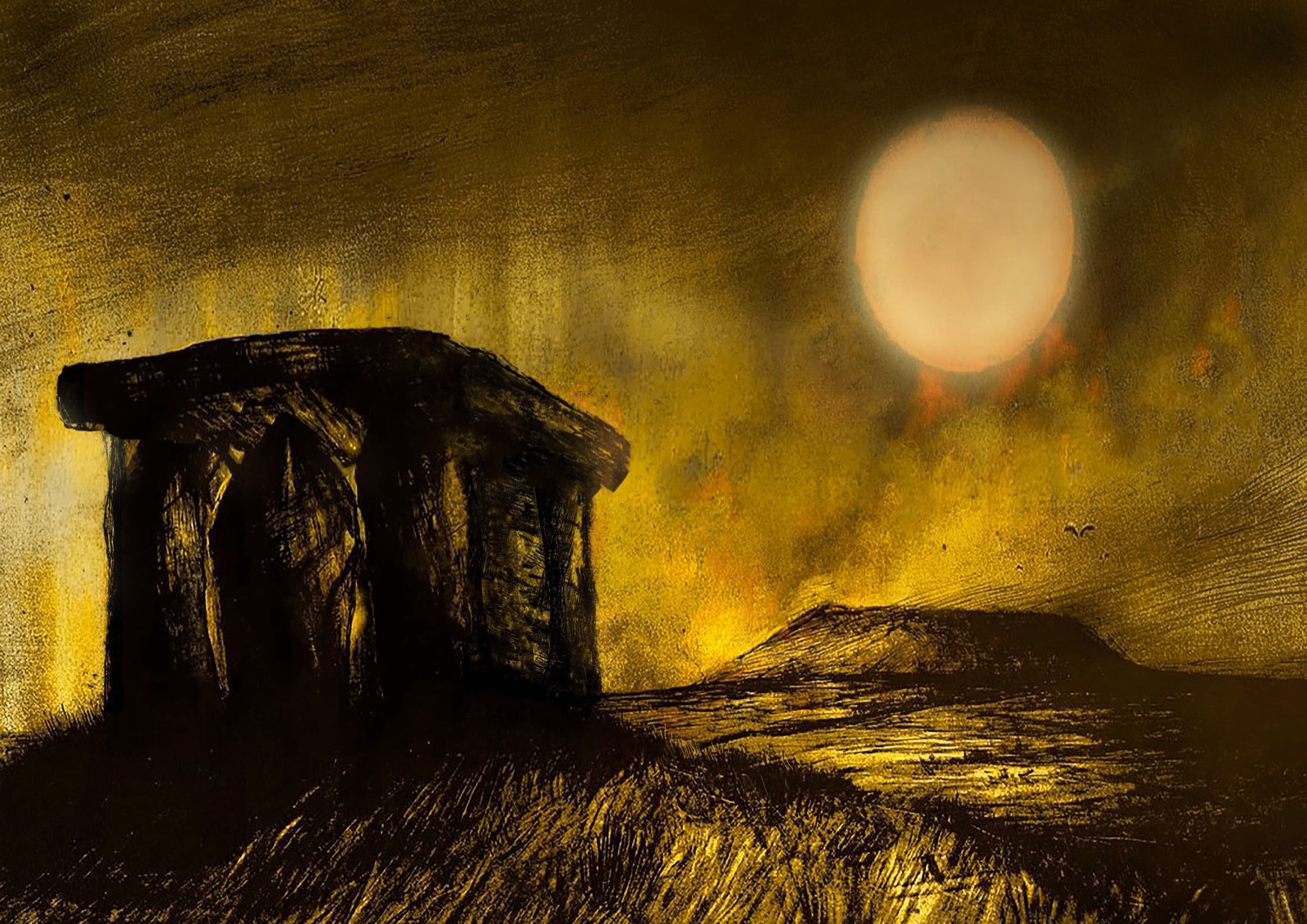
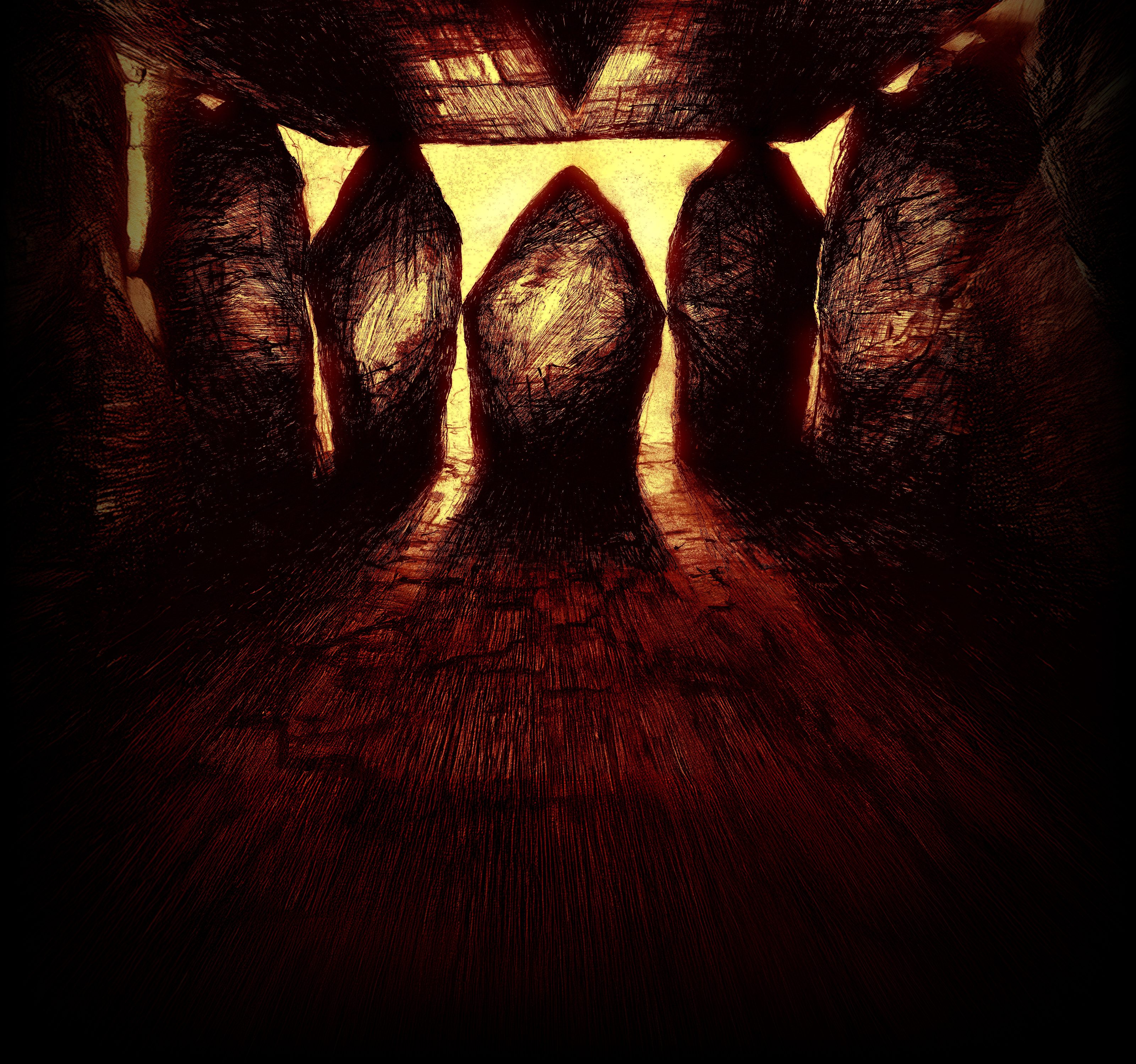
Carrowmore at dawn; a stone complex under a paling sky.

The Cave That Kept the Mammoth 32,050 BCE Castlepook Cave, Co. Cork

Warm Fur Old Blood 10,800 BCE Alice & Gwendoline Cave, Co. Clare

By the Womb-Lake Come Dawn 3,600 BCE Carrowmore, Co. Sligo

Thirty thousand winters before Ireland had a name, the sky burned in veils. No fire, no thunder. Only a pressure that brushed the world’s shell, a deep recoil in everything that breathed. On a frozen slope, a mammoth calf strayed from the herd in play, chasing a white hare into the dark. The cave swallowed it. The cave remembered. The Cave That Kept the Mammoth opens The Quiet Cycle on the night the song of the world began to fall silent.

Mammoth bones recovered from limestone caves across the island are dated to the Upper Palaeolithic, long before any human hand had reached its shores.

The earliest evidence of a human hand on Irish soil is a bear bone, cut and butchered, set down in a cave by a small group of hunters. Six men. A long walk south. A wind that says go. One man listens to something quieter, turns back alone, and meets a starving bear in the dark with a hunger that mirrors his own. Warm Fur Old Blood is the second telling in The Quiet Cycle, and the moment a single breath of attention saves a life that history will never name.

The cut-marked bear bone was excavated from Alice & Gwendoline Cave, County Clare, dated to c. 10,800 BCE. It is the earliest physical evidence of human presence on the island.

At midnight by a still loch, a cairn waits beneath the sky it holds in its bowl. An elder of Na Fir Chloiche walks the reeds, carrying a listening she inherited from her mother, who inherited it from hers. Tonight the listening is loud. A curlew calls across dark water. The stones breathe. By the Womb-Lake Come Dawn is the hush before the fracture, the last unbroken night before a dawn that goes wrong.

Carrowmore in County Sligo is the largest megalithic complex on the island, with stones erected from before 4,000 BCE. It predates the pyramids and Stonehenge by centuries.
Releasing 1 August 2026 (Lughnasadh).

An Oath on Stone

Bronze Age Ireland. The land is sick, and the kingship is rotten.

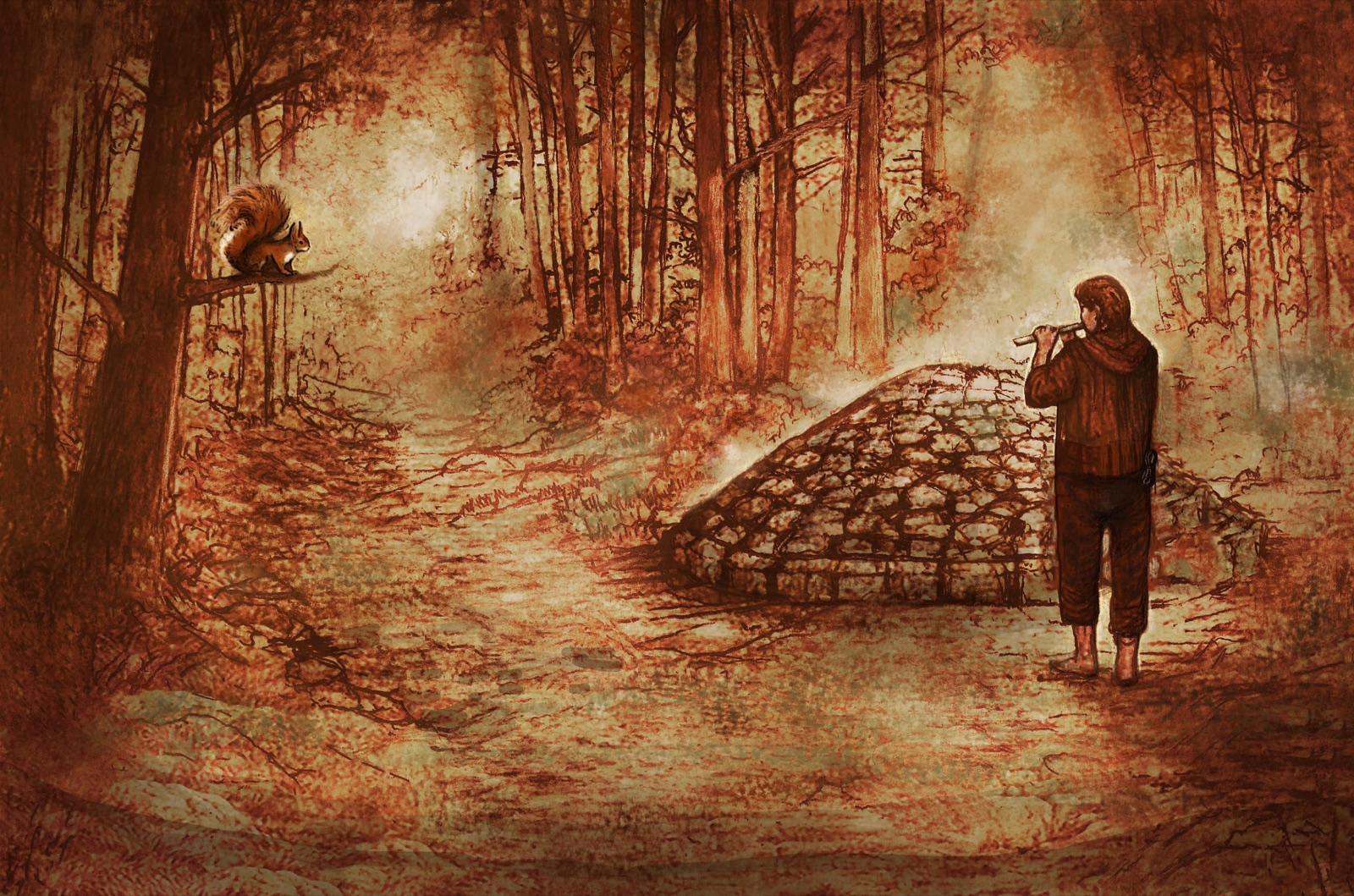
An Oath on Stone cover artwork by James Hutton: a forest with a red squirrel on a branch and a hooded figure with a flute beside a passage tomb.

Original Artwork by James Hutton

Bronze Age Ireland. The land is sick, and the kingship is rotten.

Bres sits at Tara as regent. Crops fail. Wells turn brackish. Tribute drains the people of Danu while their former king, Nuada, watches from the margins, waiting for something he cannot yet name.

Lugh is sixteen. Foster-son to Tailtiu of the Fir Bolg, raised on the plain she cleared with her own hands. He carries no name, only craft, quiet intelligence, and a pull he cannot explain toward a standing stone in the west.

This is not the myth the monks rewrote. This is not the myth the borrowers took.

The original is gone. What remains is restoration: a story placed back where it was lost from, with the seams shown.

An Oath on Stone opens Of Gods and Men: a Bronze Age Irish trilogy that returns Ireland’s mythology to its rightful weight, and to the people whose ancestors first told it.

Grounded in the archaeology of Bronze Age Ireland and the manuscripts that record the Tuatha Dé Danann. The journey traces a real corridor from Teltown to the passage tombs of Sligo. No swords. No castles. No magic systems.

Releasing 2026/27.

Voice of the Filí

Mythology in the voice of the witness.

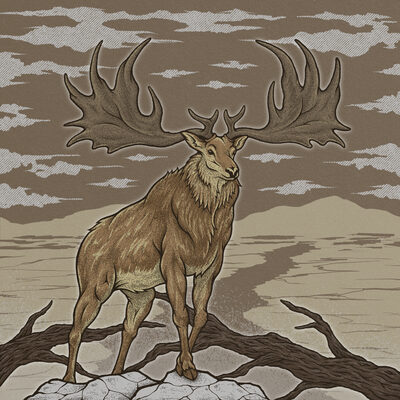
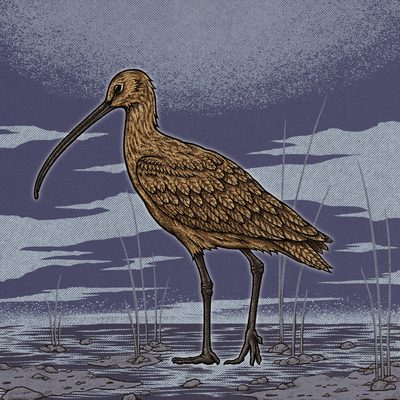
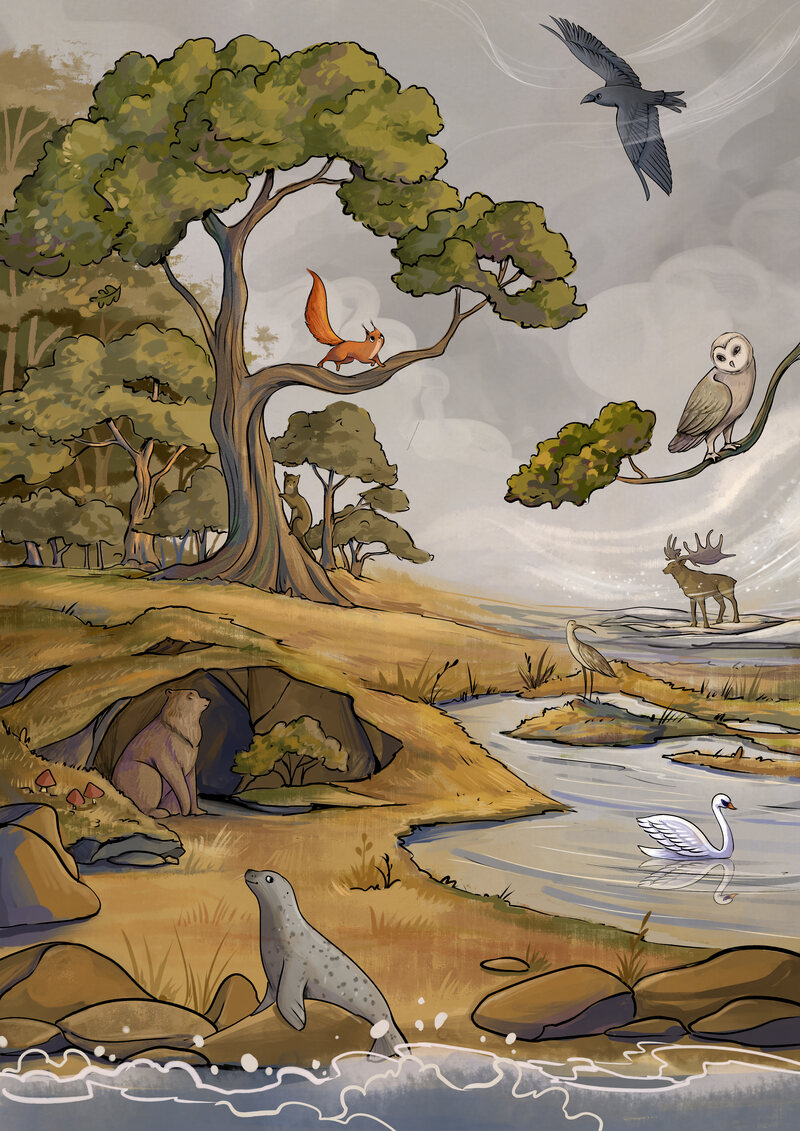
Irish landscape with nine native animal narrators: a red squirrel in a tree, raven in flight, barn owl on a branch, Irish elk in water, brown bear at a cave, curlew and mute swan on a river, grey seal on the rocks. Illustration by Anastasia Khmelevska.
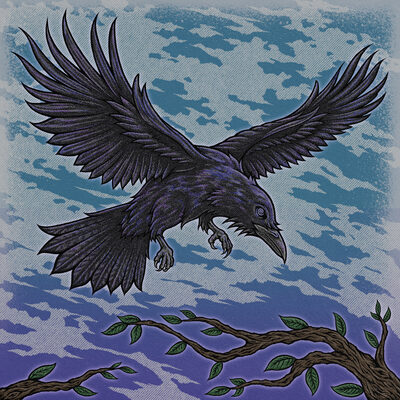
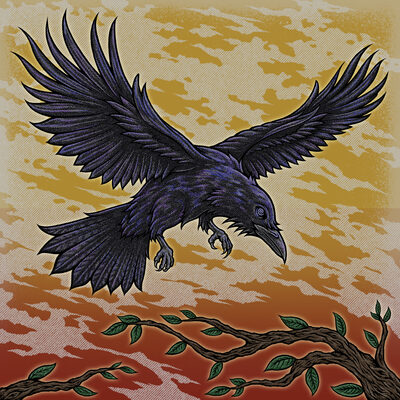
  • Raven, one of the Nine Narrators.
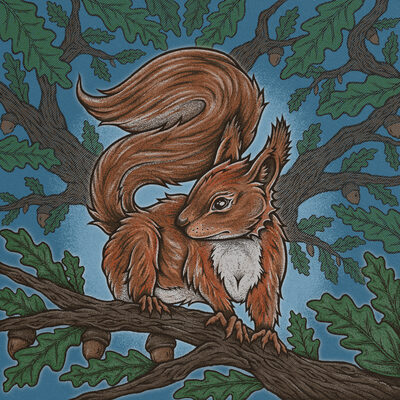
  • Rua, the red squirrel narrator.
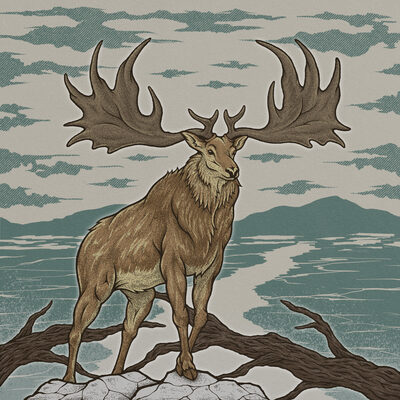
  • Irish Elk, one of the Nine Narrators.
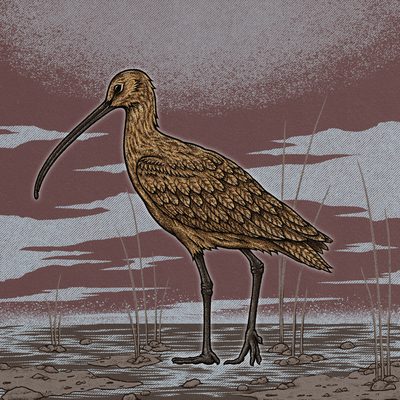
  • Curlew, one of the Nine Narrators.

Original Artwork by Anastasia Khmelevska (poster) | Succaz (Filí profiles)

Voice of the Filí is a companion strand of Eternal Tales. The novels, told from inside a different kind of consciousness: an animal narrator. The same story, told true, to a reader of any age.

Nine narrators, each anchored in a native Irish species. The raven attends what only the raven can see; the squirrel notices what only the squirrel can smell. Two of the nine are long extinct, their voices carried in bone and absence.

The first companion is Rua, a red squirrel, paired with An Oath on Stone. She rode on the shoulder of a boy named Lugh from the plain to the stones. She does not retell his story. She tells what only a creature on his shoulder could ever know: the smell of fear in a quiet room, the salt-shift before tears, the hum that all meaning comes from.

Plain language. Exact perception. Children’s books talk down. Stories told to children talk true. The youngest reader is trusted with what the novels carry; the adult who has read the novels finds a position they could not occupy.

Not a smaller telling. A different one.

Each narrator is drawn from a real native Irish species. The Irish Elk and the Irish Brown Bear are long extinct; the curlew is critically endangered. Their senses, behaviour, and relationship to the landscape are rendered with naturalist precision.

Releasing 2026/27.

Still being made.

The Eternal Tales catalogue continues beyond what is named here.

The Trilogy

Of Gods and Men extends past Book One.

The Podcast

The tales, told aloud in the oldest way.

The Game

A mobile puzzle game for An Oath on Stone.

The Heritage Work

An interactive companion to the places that hold the stories, alongside preservation tools.

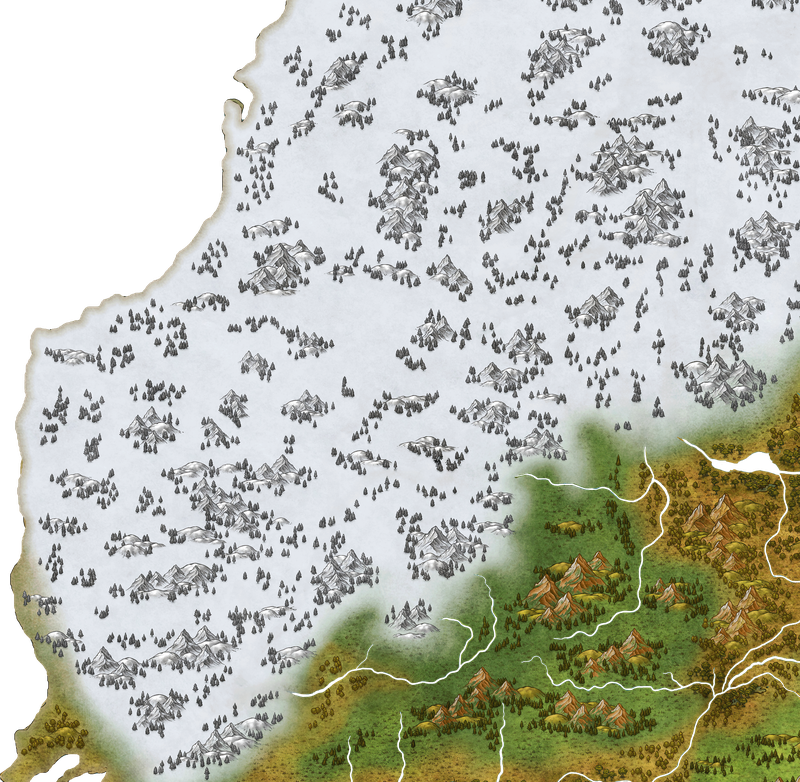
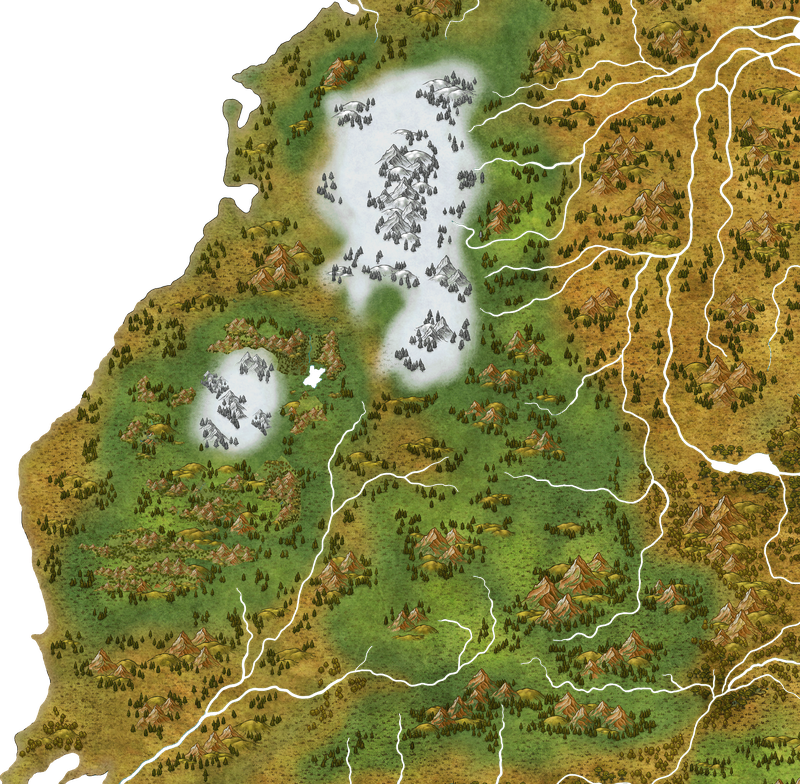
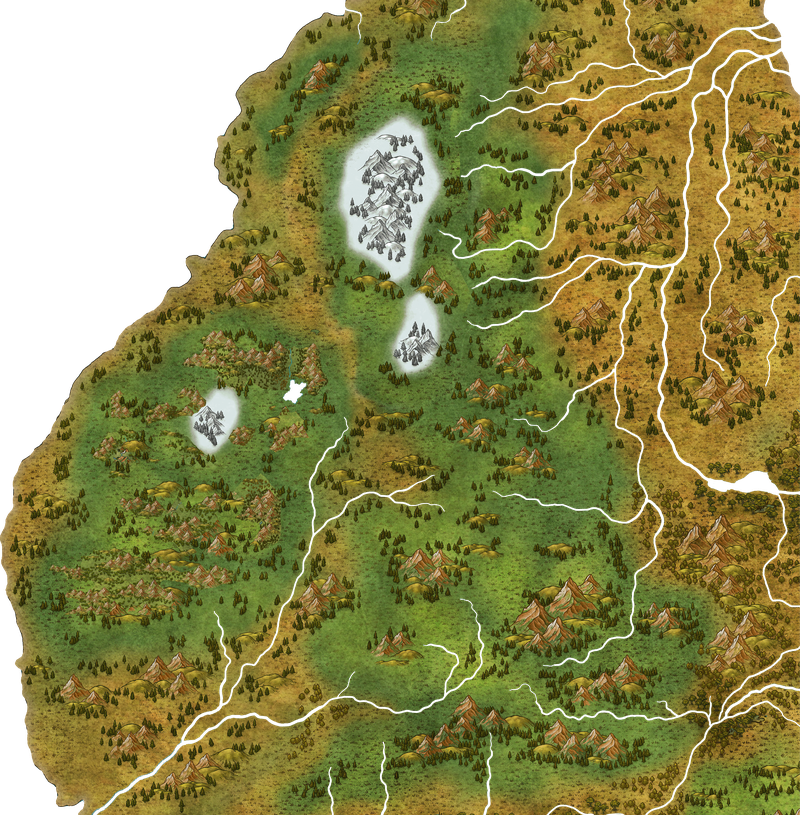
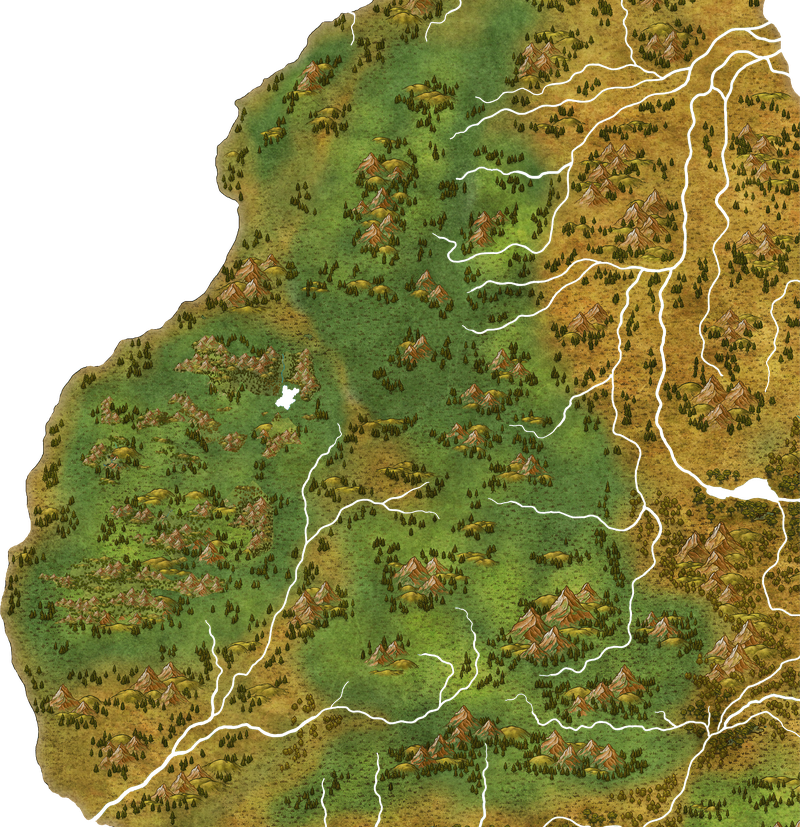
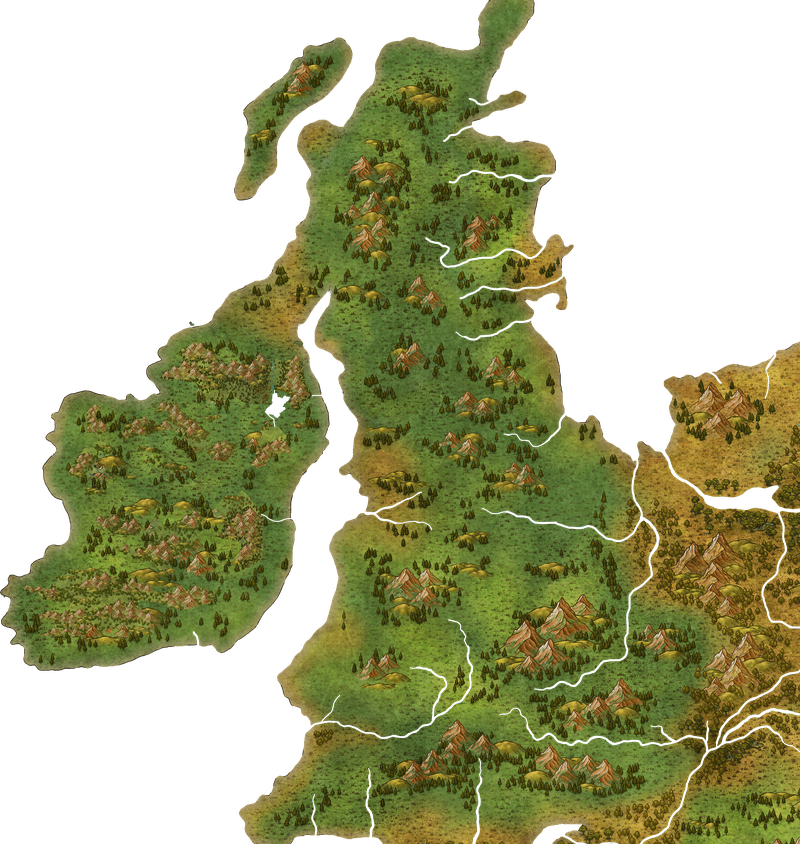
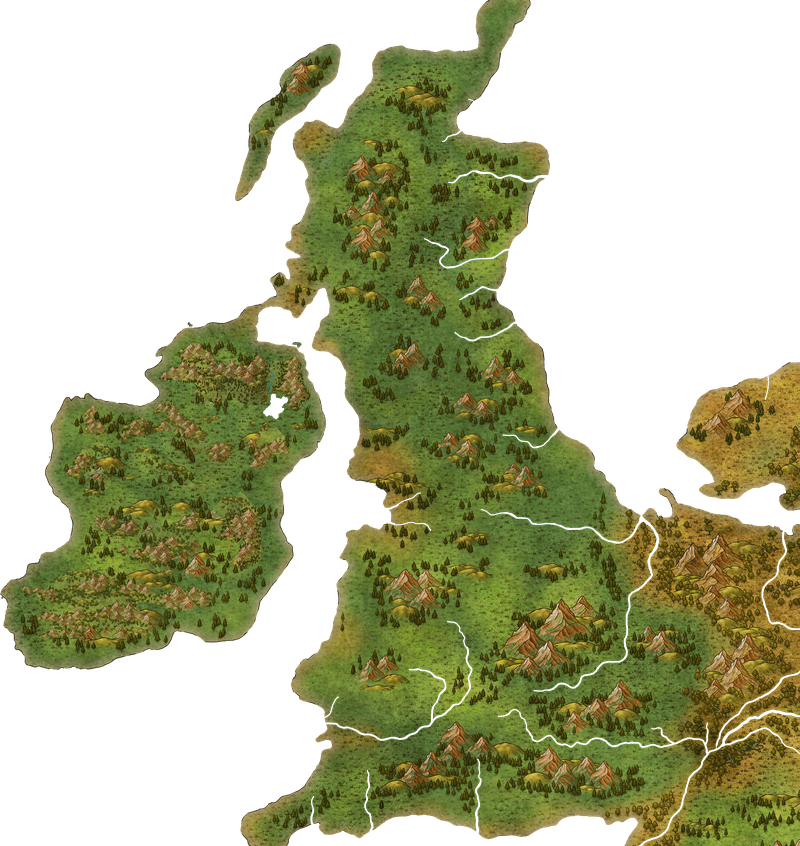
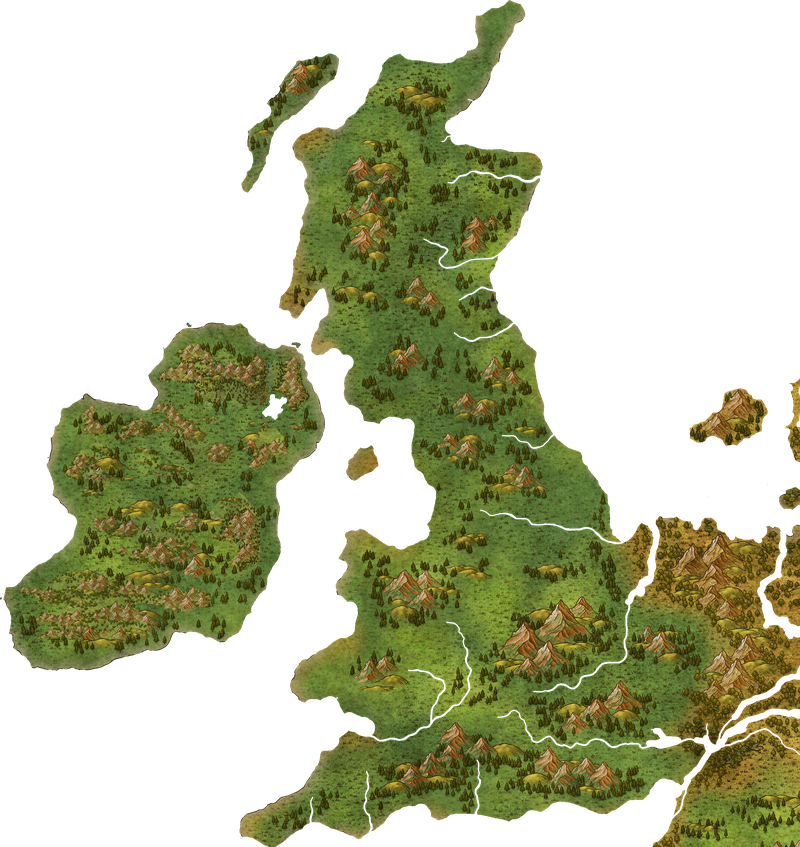
Map of Ireland showing approximate shoreline conditions around c. 8,500 BCE
c. 8,500 BCE

Inspired by approximate shoreline conditions.

From the Studio.

Release news, work in progress, the things worth sharing. Nothing else.

All other enquiries: info@eternaltales.ie

Powered by